In the realm of ERP systems in Malaysia, the quest for the best solution is a strategic pursuit for businesses seeking operational excellence. As companies navigate the landscape of cloud-based solutions, the allure of scalability, flexibility, and cost-efficiency beckons. However, the journey doesn’t end there sap b1. The crux lies in uncovering how industry-specific functionalities, customizable platforms, seamless integrations, and mobile capabilities can revolutionize business operations. The key to unlocking sustained success in a competitive market lies in choosing an ERP system that not only meets current needs but also paves the way for future growth.

Cloud-Based ERP Solutions
Cloud-Based ERP solutions have become increasingly popular in the modern business landscape due to their scalability and flexibility in meeting diverse organizational needs. These solutions offer businesses the ability to access their ERP systems remotely through the internet, eliminating the need for on-premises hardware and maintenance. By leveraging cloud technology, companies can benefit from automatic updates, data security measures, and reduced upfront costs.
One of the key advantages of cloud-based ERP solutions is their scalability. Businesses can easily adjust their resources based on changing demands without the hassle of investing in additional infrastructure. This flexibility allows organizations to adapt to growth or fluctuating market conditions quickly and efficiently.
Furthermore, cloud-based ERP systems provide real-time data insights across departments, enabling better decision-making processes. With centralized data storage and accessibility, employees can collaborate more effectively, leading to improved productivity and streamlined operations. Overall, the adoption of cloud-based ERP solutions is a strategic move for businesses looking to enhance their competitiveness and agility in today’s dynamic market environment.
Industry-Specific ERP Systems
Industry-specific ERP systems are tailored software solutions designed to meet the unique requirements and challenges of particular sectors or vertical markets. These specialized ERP systems go beyond the generic features of traditional ERP systems to address the specific needs of industries such as manufacturing, healthcare, retail, or construction. By focusing on industry-specific functionalities, these ERP systems can streamline processes, improve efficiency, and provide insights that are crucial for businesses operating in those sectors.
For example, a manufacturing-specific ERP system may include features for managing complex supply chains, tracking production processes, and optimizing inventory levels. On the other hand, a healthcare-focused ERP system might offer modules for patient management, electronic health records, and regulatory compliance.
Customizable ERP platforms offer businesses the flexibility needed to tailor the system to their specific requirements. By allowing for customization, companies can optimize processes and workflows to align with their unique operations.
This level of adaptability ensures that the ERP system effectively meets the organization’s evolving needs.
Flexibility in Customization
When implementing an ERP system, the level of flexibility in customization plays a crucial role in meeting the unique operational requirements of a business. Customizable ERP platforms that offer extensive flexibility empower businesses to tailor the system to their specific needs without being constrained by rigid structures.
The ability to customize fields, workflows, reports, and interfaces allows organizations to adapt the ERP system to their existing processes seamlessly. Flexible customization also enables businesses to evolve and grow without being held back by limitations in the ERP system.
This freedom to customize ensures that the ERP platform can be continuously aligned with the changing needs and priorities of the business, ultimately enhancing efficiency and driving success.
Tailored to Specific Needs
Tailoring ERP platforms to meet specific operational needs is essential for businesses aiming to optimize their processes and achieve maximum efficiency. Customizable ERP systems offer the flexibility to adapt to unique business requirements, ensuring that the software aligns perfectly with the organization’s workflows.
By allowing for tailored configurations, businesses can streamline operations, eliminate unnecessary steps, and improve overall productivity. Customization also enables businesses to address industry-specific challenges, comply with regulations, and integrate with existing software seamlessly.
With a tailored ERP system, businesses can enhance decision-making processes, boost collaboration among departments, and ultimately drive growth. Choosing an ERP platform that can be customized to specific needs empowers businesses to operate more efficiently and effectively in today’s competitive landscape.
User-Friendly Interface Designs
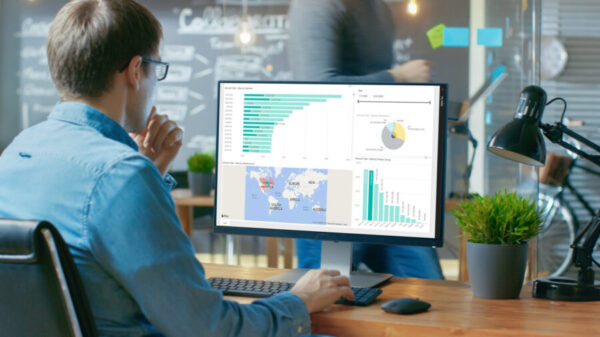
User-Friendly Interface Designs play a crucial role in enhancing user experience within ERP systems.
Intuitive navigation features help users easily locate desired functions and information, increasing efficiency.
Moreover, streamlined data input processes reduce errors and save time, making the system more user-friendly and productive.
Intuitive Navigation Features
The intuitive navigation features of the best ERP system in Malaysia enable seamless and efficient user interactions with the interface, enhancing overall user experience. By incorporating user-friendly design elements such as clear menu structures, intuitive icons, and customizable dashboards, navigating through the ERP system becomes intuitive and straightforward.
Users can easily access different modules, functions, and data points with minimal effort, reducing the learning curve and enabling quicker task completion. The system’s intuitive navigation streamlines workflow processes, allowing users to move effortlessly between different sections and functionalities.
Additionally, features like predictive search and contextual help further enhance the user experience by providing relevant information and guidance at the right moment.
Enhancing data input efficiency through interface designs that prioritize user interaction and streamline the process is a critical aspect of optimizing the functionality of a modern ERP system. User-friendly interface designs play a crucial role in ensuring that data entry is seamless and intuitive for users.
By incorporating features such as dropdown menus, autocomplete suggestions, and data validation prompts, ERP systems can significantly reduce the time and effort required for entering data accurately. Additionally, intuitive layout designs, clear labeling, and logical flow within the interface contribute to a smoother data input process.
These streamlined data input mechanisms not only enhance user experience but also minimize errors, improve data quality, and ultimately increase overall productivity within an organization.
Integration With Third-Party Apps
Seamless integration with third-party applications is a pivotal aspect of maximizing the functionality and efficiency of an ERP system in the context of business operations. By enabling ERP systems to connect with external software solutions such as CRM platforms, e-commerce systems, or business intelligence tools, organizations can achieve a holistic view of their operations and streamline processes.
Integration with third-party apps allows for the automation of data transfer between systems, reducing manual data entry errors and saving time. This connectivity ensures that information flows smoothly across different departments, providing real-time insights for better decision-making. Moreover, it enables businesses to leverage specialized functionalities offered by external applications without disrupting their core ERP system.
Additionally, seamless integration enhances collaboration among teams by centralizing data and eliminating silos. For instance, integrating an ERP system with project management software can facilitate resource planning and project tracking, leading to improved project delivery timelines and resource utilization. Overall, the ability of an ERP system to seamlessly integrate with third-party apps is essential for optimizing business processes and driving growth.
Mobile Accessibility and Functionality
Optimizing mobile accessibility and functionality is crucial for ensuring the efficiency and effectiveness of an ERP system in modern business environments. With the rise of remote work and the need for real-time data access, having a mobile-friendly ERP system is no longer a luxury but a necessity. A robust ERP system in Malaysia should offer mobile applications that provide seamless access to critical business information such as inventory levels, sales data, and customer information.
Mobile functionality should not be limited to just viewing data but should also allow for essential tasks to be performed on-the-go, such as approving purchase orders, generating reports, or initiating workflows. The user interface of the mobile application should be intuitive and responsive, ensuring a consistent user experience across different devices.
Security features like two-factor authentication and data encryption are vital to protect sensitive business data when accessed from mobile devices. A well-designed mobile ERP system enhances productivity, collaboration, and decision-making, empowering businesses to stay competitive in today’s fast-paced digital landscape.
Scalability for Future Growth
To ensure the long-term viability and adaptability of an ERP system in Malaysia, scalability for future growth is a critical consideration that necessitates strategic planning and infrastructure development. Scalability refers to the system’s capability to handle increased workload efficiently without compromising performance. In the context of ERP systems, scalability is crucial as businesses expand, leading to higher data volumes and user demands.
A scalable ERP system in Malaysia should be able to accommodate additional users, transactions, and data without significant disruptions. This involves not only expanding hardware resources but also optimizing software architecture to ensure seamless operation. Cloud-based ERP solutions are popular for their scalability, allowing organizations to easily adjust resources based on their needs.
Furthermore, scalability extends beyond technical aspects to encompass flexibility in customization and integration with other systems. A scalable ERP system should support modular expansions and upgrades to meet evolving business requirements. By investing in a scalable ERP system, Malaysian businesses can future-proof their operations and adapt to growth opportunities efficiently.
Conclusion
In conclusion, the best ERP systems in Malaysia offer a range of features such as:
- Cloud-based solutions
- Industry-specific functionalities
- Customizable platforms
- User-friendly interfaces
- Integration with third-party apps
- Mobile accessibility
- Scalability for future growth
These systems are designed to streamline processes, drive efficiency, and empower businesses to adapt and thrive in a competitive market environment.
With their comprehensive suite of capabilities, Malaysian companies can leverage ERP systems to enhance operational performance and achieve sustainable growth.
…